Roof Repair in Stafford, TX
Stafford has small commercial buildings and houses on the same streets, and the two need entirely different roofing. The mistake that costs money here is treating a low-slope roof like a steep one.
Call 832-662-4107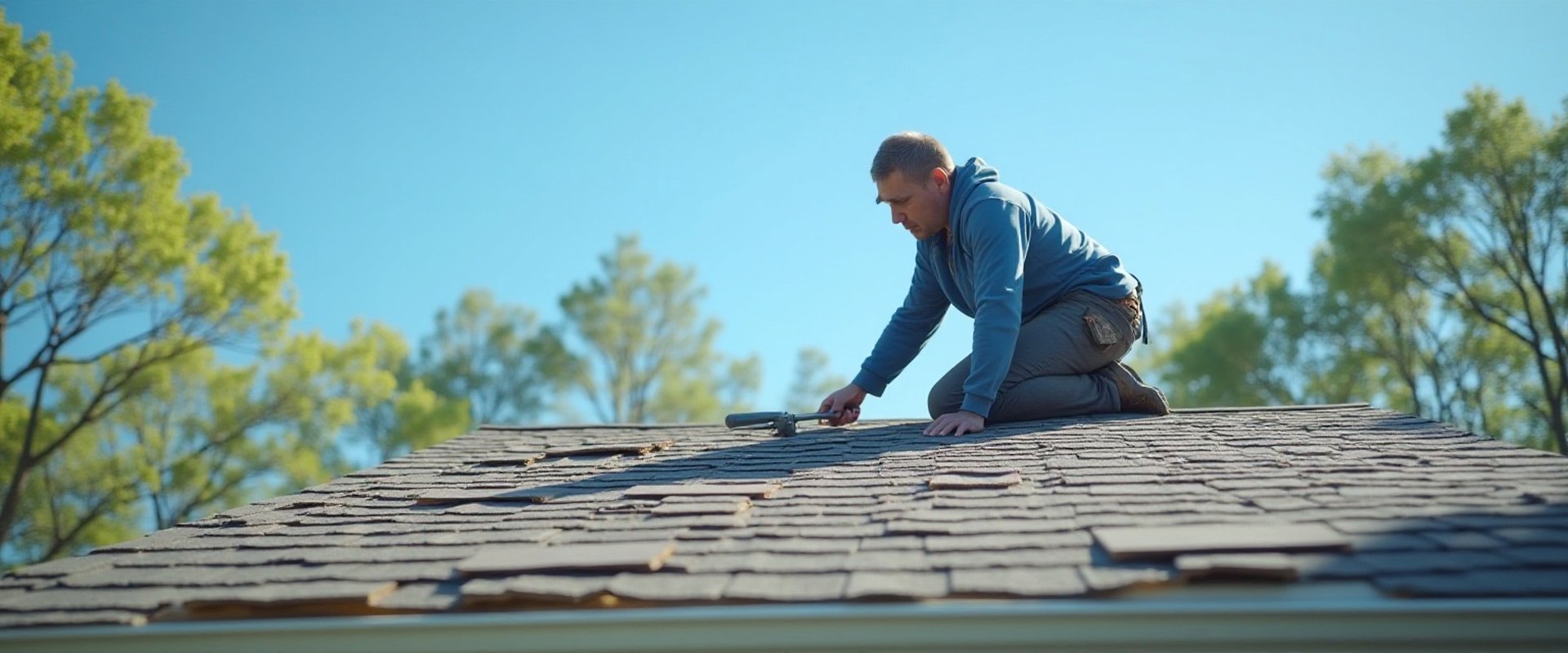
Low slope is a different material, not a different pitch
This is the distinction that matters most in Stafford, because so many buildings here have one.
A pitched roof sheds water — gravity does most of the waterproofing and shingles simply direct the flow. A low-slope roof has to be genuinely watertight, because water sits on it. Those are different engineering problems and they need different products.
Below roughly 2:12 pitch, shingles are not an appropriate material. Most manufacturers void the warranty, and the roof will leak regardless of how carefully it was fitted. If a contractor proposes shingles on a flat section, ask what slope they measured.
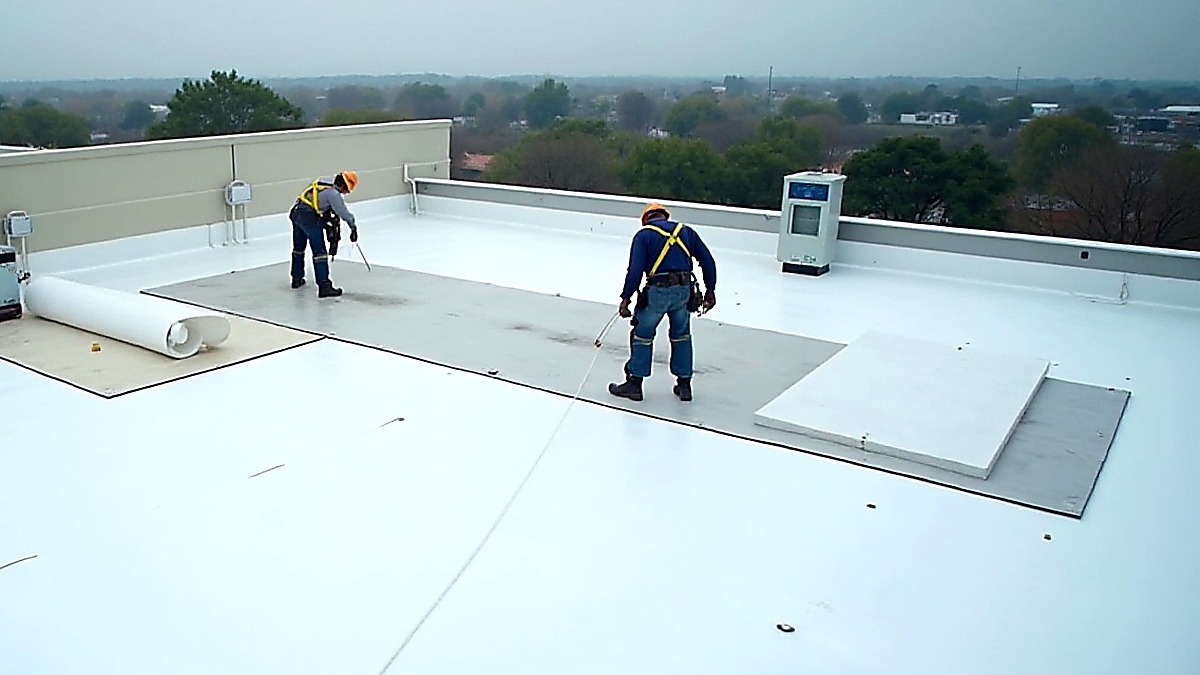
Low-slope systems are membranes: TPO, modified bitumen, EPDM. Installing them is a distinct skill, and a roofer who mostly does residential shingle work should not be learning it on your building.
Ponding, and why it matters
Water standing on a low-slope roof more than forty-eight hours after rain is called ponding, and it is a warning rather than a nuisance.
- Weight. Water is heavy. An inch across a large flat area is a serious load on a deck that may already be deflecting.
- Accelerated failure. Membranes and seams degrade considerably faster under standing water than when dry.
- It compounds. A deck that deflects under water creates a deeper low spot, which holds more water, which deflects it further.
- Debris. Ponded areas collect silt and growth, which blocks the drains that were supposed to clear it.
The fix is drainage — clearing or adding drains, or tapered insulation to create fall. Not more coating over the top.
What a commercial roof needs that a house does not
| Item | Why |
|---|---|
| Drain and scupper clearance | The whole system depends on water leaving. Blocked drains cause most low-slope failures |
| Seam inspection | Membrane roofs fail at seams and penetrations, not in the field |
| Rooftop equipment curbs | HVAC units sit on curbs that flash into the membrane. Every one is a potential leak |
| Traffic pads | Technicians walk these roofs regularly. Unprotected membrane gets punctured |
| Scheduled inspection | Twice a year is normal commercial practice and prevents most emergency calls |
Residential Stafford
The houses here are a mix of ages with the usual Houston constraints — heat, ultraviolet load, and ventilation that is often compliant rather than adequate. The one Stafford-specific point is that many homes have a low-slope section too: a porch, a carport, a rear addition. That section is where the leak usually is, and it needs the same membrane thinking as the commercial buildings down the road.
Before you call
- Whether the roof is pitched, low slope, or both.
- If low slope, what the existing membrane is, if you know.
- Whether water stands after rain, and for how long.
- Whether there is rooftop equipment, and when it was last serviced.