Emergency Roof Repair in Houston
Some roof problems need someone tonight. Others cost you a premium for nothing. Here is the difference, what to do in the first thirty minutes, and what a proper emergency tarp actually looks like.
Call 832-662-4107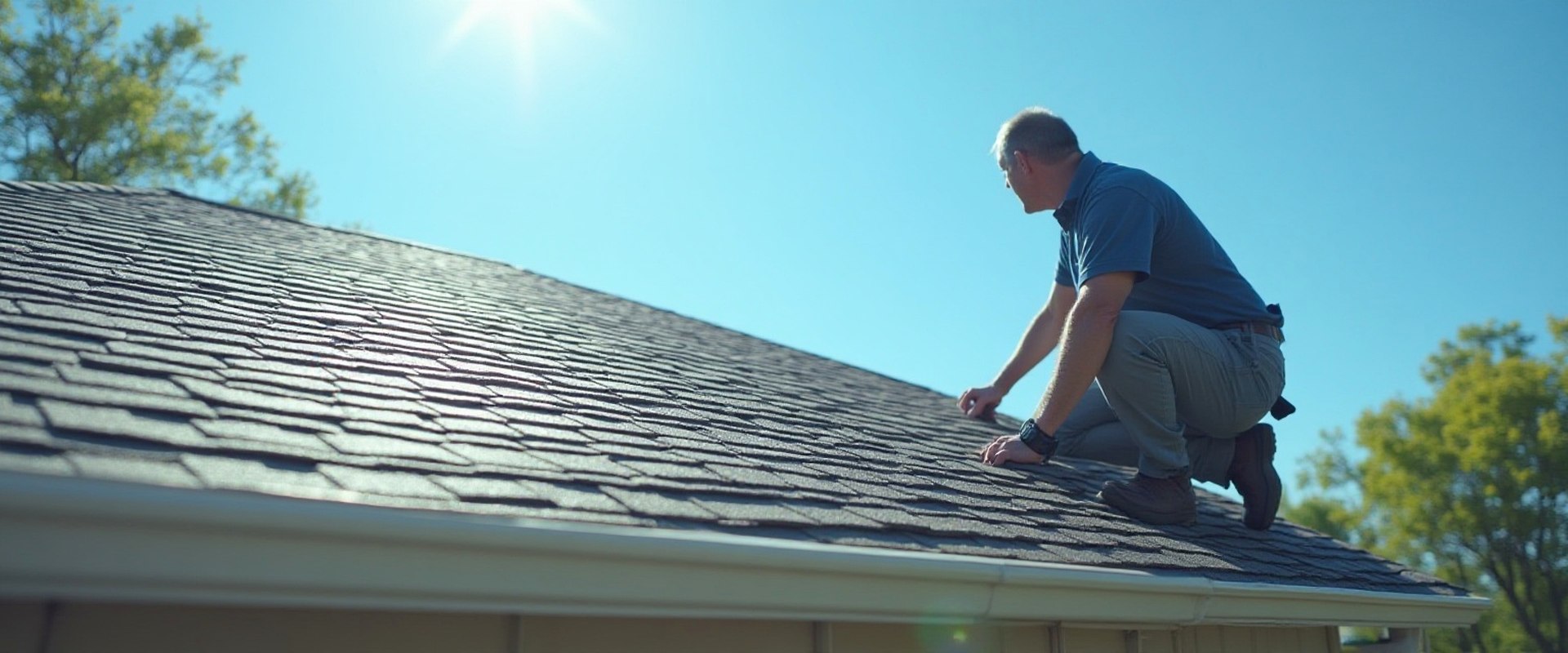
What is genuinely an emergency
Roofing companies charge a premium for after-hours and same-day work, and rightly so. These situations justify it.
- Active water entering the house in volume — not a drip in a bucket, but running water.
- A tree or large limb on the roof. Do not wait to see whether it settles.
- Visible sky from inside the attic. The decking is breached.
- Shingles or decking torn away with more rain forecast.
- Any sagging of the roof structure itself — that is structural and the house may not be safe.
A slow drip into a bucket with clear weather ahead is not an emergency. It is a next-morning appointment at standard rates, and it will cost you meaningfully less. The distinction is whether more water is coming before someone can get there.
The first thirty minutes
- Move what can be damaged and get containers under the water.
- Pierce a bulging ceiling at its lowest point to release water in a controlled way.
- Cut power to the affected area at the breaker if water is anywhere near light fixtures, outlets or the attic's wiring.
- Photograph everything before you clean anything up. This is the evidence for a claim.
- Do not climb up in a storm. More people are hurt reacting to roof damage than by the damage itself.
Tarping, and what it should look like
An emergency response is usually a tarp, not a repair. That is correct — a proper repair cannot be done on a wet roof in bad weather.
A tarp done properly is anchored above the damage and run over the ridge, so water flows over it rather than under it, and it is fastened with battens rather than nails driven through the field of the roof. A tarp laid flat over a hole with a few bricks on it will lift in the next wind and may make things worse.
Ask when the permanent repair is scheduled before the crew leaves. A tarp is a bridge, not a destination, and in Houston sun the material degrades within weeks.
What emergency work should cost, honestly
Expect a call-out premium outside business hours and a larger one overnight, on Sundays and after a major storm when every crew in the region is booked. That is the market, not gouging.
What is not reasonable is a company that will not quote the premium before dispatching. Ask for the after-hours rate and whether the emergency charge is credited against the permanent repair. Get the answer before anyone drives out.
After a big storm, be careful who you hire
Major hail and wind events bring crews in from out of state within days. Some are good. The pattern to watch for is a knock on the door, pressure to sign immediately, a contract that assigns your insurance proceeds to them, and no local address.
- Ask for a Texas address and how long they have been at it.
- Do not sign anything that assigns your claim before you have read it properly.
- A warranty is only as good as the company that issues it. Five years from a firm that leaves the state in November is worth nothing.